
Electrical Safety Audit
Electrical systems are essential to modern factories, plants, commercial buildings, warehouses, hospitals, and infrastructure facilities. At the same time, electrical faults, poor maintenance, inadequate earthing, overloaded circuits, damaged cables, defective protection systems, and unsafe work practices can result in electric shock, arc flash, fire, equipment damage, production loss, and serious injury.
An Electrical Safety Audit is a systematic assessment of electrical installations, equipment, maintenance practices, protection systems, documentation, and employee safety procedures. The objective is to identify unsafe conditions, evaluate associated risks, verify compliance, and recommend practical corrective actions.
The Safety Master provides professional electrical safety audit services to help organizations identify electrical hazards, improve electrical reliability, strengthen workplace safety, and support compliance with applicable statutory requirements and standards.
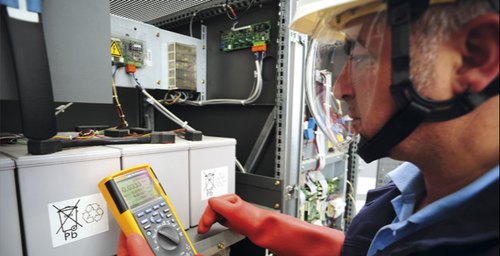
What Is an Electrical Safety Audit?
An Electrical Safety Audit is a structured inspection and risk-assessment process used to evaluate whether electrical installations are safely designed, installed, operated, maintained, and managed.
The audit can cover:
Electrical Installations
- HT and LT panels
- Transformers
- DG sets
- Motors and MCCs
- Distribution boards
- Cables and wiring
- Capacitor banks
- Busbars
- Switchgear
- Battery systems
- Electrical rooms
- Portable electrical equipment
Electrical Protection Systems
The audit reviews the adequacy and condition of:
- Circuit breakers
- Fuses
- Protective relays
- Overload protection
- Short-circuit protection
- Earth-fault protection
- Residual-current protection
- Interlocking arrangements
- Emergency isolation systems
Earthing and Bonding
A key part of the audit is reviewing the earthing and bonding system, including earth pits, equipment earthing, panel earthing, neutral earthing, bonding conductors, and test records.
Why Is an Electrical Safety Audit Important?
Electrical incidents can develop rapidly and may have severe consequences. A properly planned audit helps organizations identify unsafe conditions before they become accidents.
A professional audit can help to:
- Identify electrical hazards
- Reduce electric shock risks
- Reduce electrical fire risk
- Identify overloaded or improperly protected circuits
- Detect deteriorated cables and connections
- Evaluate earthing effectiveness
- Review maintenance practices
- Improve electrical isolation procedures
- Strengthen compliance management
- Reduce equipment damage and unplanned downtime
The CEA's Chief Electrical Inspectorate Division is responsible for administering the applicable electrical safety regulations and statutory inspections, including periodic inspection of electrical installations within its jurisdiction.
Electrical Safety Audit Process
1. Pre-Audit Preparation
The first stage is to understand the facility, electrical distribution system, processes, operating conditions, and audit scope.
Typical documents reviewed include:
- Electrical single-line diagrams
- Equipment lists
- Transformer details
- Panel schedules
- Load details
- Earthing records
- Preventive maintenance records
- Test certificates
- Previous audit reports
- Electrical safety procedures
- Emergency response procedures
2. Site Inspection
The audit team conducts a physical inspection of electrical installations and work areas.
Typical observations include:
- Damaged cables
- Exposed live parts
- Improper cable termination
- Loose electrical connections
- Missing panel covers
- Improper housekeeping
- Blocked electrical panels
- Inadequate electrical-room access
- Unlabelled circuits
- Temporary electrical connections
- Improper extension arrangements
3. Electrical Testing and Measurements
Where applicable and within the agreed scope, testing may include:
- Earth resistance
- Insulation resistance
- Continuity
- Earth-fault loop parameters
- Protective-device verification
- Thermographic inspection
- Voltage and current measurements
- Load balancing
- Other condition-monitoring tests
Testing should be performed using suitable calibrated instruments and by competent personnel.
4. Risk Assessment
Each observation is evaluated based on its potential consequence, likelihood, existing controls, and urgency.
Findings can be categorized according to organizational risk criteria, for example:
- Critical
- High
- Medium
- Low
- Observation
5. Compliance Assessment
The audit reviews applicable statutory requirements, standards, internal procedures, and safe electrical work practices.
The applicable legal framework in India may include the Electricity Act, CEA regulations, state electrical inspectorate requirements, the Factories Act and applicable state rules, and relevant Indian Standards, depending on the facility and activity.
6. Corrective Action Plan
Each significant finding should be linked to a practical corrective action.
A useful action plan identifies:
- Finding
- Risk
- Recommended action
- Responsible person
- Target completion date
- Priority
- Closure evidence
7. Electrical Safety Audit Report
The final electrical safety audit report should provide management with a clear picture of existing electrical risks, legal/compliance gaps, photographs or evidence where appropriate, recommendations, and action priorities.
Electrical Safety Audit Checklist
A comprehensive electrical safety audit checklist can include the following areas.
Electrical Panels and Switchgear
Check:
- Panel enclosure condition
- IP protection
- Internal cleanliness
- Busbar condition
- Cable termination
- Circuit identification
- Warning signage
- Panel accessibility
- Door locking
- Unused openings
- Circuit protection
Cables and Wiring
Check:
- Cable insulation condition
- Cable routing
- Mechanical protection
- Proper glands
- Cable support
- Termination quality
- Temporary wiring
- Jointing practices
- Identification and tagging
Earthing System
Check:
- Equipment earthing
- Panel earthing
- Transformer neutral earthing
- Earth continuity
- Earth-pit condition
- Earth resistance records
- Bonding arrangements
- Earthing conductor size and condition
Electrical Rooms
Check:
- Restricted access
- Housekeeping
- Ventilation
- Lighting
- Emergency lighting
- Rubber insulating mats where required
- Fire protection
- Clear working space
- Appropriate signage
- Water ingress protection
Electrical Work Practices
Review:
- Lockout/Tagout procedures
- Permit-to-work system
- Isolation practices
- Electrical PPE
- Authorized-person controls
- Testing-before-touch practices
- Electrical emergency response
- Competency and training records
Electrical Safety Audit as Per Factory Act, 1948
Many factories search for Electrical Safety Audit as per Factory Act, 1948 because electrical safety is an important part of factory workplace safety.
The Factories Act, 1948 provides the broader statutory framework for health, safety and welfare in factories, while electrical installations are also subject to electricity-sector legislation, regulations, inspectorate requirements, and applicable standards. Therefore, an electrical audit should not be presented as a compliance check against the Factories Act alone.
For a factory audit, the assessment can integrate:
Factory Safety Requirements
- Safe machinery and workplace arrangements
- Safe electrical work practices
- Emergency preparedness
- Maintenance systems
- Worker competency
- Safety procedures
Electrical Safety Requirements
- Electrical installation safety
- Protection systems
- Earthing
- Isolation
- Inspection and testing
- Electrical maintenance
- Applicable CEA requirements
- Applicable state requirements
This integrated approach gives management a more complete view of electrical and workplace safety.
Electrical Safety Audit Report
A professional electrical safety audit report should be practical and easy for management and maintenance teams to use.
Typical Report Structure
1. Executive Summary
A brief overview of the overall electrical safety status.
2. Scope of Audit
Details of locations, systems, equipment, and activities covered.
3. Methodology
Inspection, document review, interviews, measurements, and assessment methods.
4. Compliance Assessment
Applicable statutory, regulatory, and standard requirements.
5. Findings
Each finding should clearly describe the unsafe condition.
6. Risk Rating
The risk level should be identified based on the organization's defined risk matrix.
7. Recommendations
Practical corrective and preventive actions.
8. Photographic Evidence
Photographs can be used to support significant findings.
9. Corrective Action Tracker
A closure table can be provided for management follow-up.
10. Conclusion
Overall assessment and key priorities for improvement.
Electrical Safety Audit Report Sample
An electrical safety audit report sample may use a table such as:
| Sr. No. | Area | Observation | Risk | Recommendation | Priority |
|---|---|---|---|---|---|
| 1 | LT Panel | Unused opening found in panel | Shock/arc exposure | Close opening using suitable cover | High |
| 2 | Electrical Room | Housekeeping requires improvement | Fire/maintenance risk | Remove combustible and unwanted materials | Medium |
| 3 | Motor Area | Cable termination damaged | Shock/fire risk | Replace damaged termination | High |
| 4 | Earthing | Test record not available | Protection uncertainty | Conduct test and maintain records | High |
The actual report format should be customized to the installation, applicable requirements, and audit scope.
Electrical Safety Audit PDF
Companies often search for an electrical safety audit PDF for reference, audit preparation, or internal assessments.
A useful PDF can contain:
- Audit scope
- Inspection checklist
- Applicable requirements
- Testing requirements
- Finding categories
- Risk-rating methodology
- Corrective-action format
- Audit report template
Reference documents should be kept aligned with the latest applicable regulations rather than relying on outdated templates. The CEA currently publishes its electrical safety regulations and amendments through its official website.
Electrical Safety Audit PPT
An electrical safety audit PPT can be useful for communicating audit findings to plant leadership, maintenance departments, EHS teams, and workers.
A professional presentation can cover:
Electrical Safety Audit Overview
- Purpose
- Scope
- Methodology
- Major hazards
Key Audit Findings
- Unsafe electrical installations
- Earthing issues
- Panel defects
- Cable conditions
- Protection issues
- Maintenance gaps
Corrective Action Plan
- Immediate actions
- Short-term actions
- Long-term improvements
- Responsibility
- Target dates
Electrical Safety Auditor Certification in India
People searching for Electrical Safety Auditor Certification in India should distinguish between general electrical safety training/certification and statutory authorization or recognition that may apply to particular electrical inspection or certification functions.
Under the CEA's 2023 regulations, installations meeting specified thresholds, including factories registered under the Factories Act with more than 250 kW connected load, are required to designate an Electrical Safety Officer meeting prescribed qualification and experience conditions. The regulations also provide for Chartered Electrical Safety Engineers authorized by the appropriate government for specified self-certification functions.
Therefore, organizations should verify the applicable state/central requirements and the authority of the person performing a particular statutory inspection or certification rather than relying only on the title of a private course certificate.
Who Needs an Electrical Safety Audit?
Electrical safety audits are relevant for:
- Manufacturing plants
- Chemical industries
- Pharmaceutical facilities
- Oil and gas facilities
- Warehouses
- Power-intensive industries
- Commercial buildings
- Hospitals
- Hotels
- Educational institutions
- Data centers
- Construction projects
- Utilities and infrastructure facilities
When Should an Electrical Safety Audit Be Conducted?
An audit can be planned:
- Periodically according to applicable requirements and company procedures
- After major electrical modifications
- After an electrical incident
- Before commissioning major installations
- During plant expansion
- When repeated electrical defects are observed
- As part of an annual EHS audit program
- When management wants an independent assessment
Why Choose The Safety Master?
The Safety Master provides professional safety consultancy and audit services designed around practical risk reduction and compliance improvement.
Our approach can combine:
- Electrical installation inspection
- Hazard identification
- Risk assessment
- Compliance review
- Electrical testing coordination
- Corrective-action planning
- Management reporting
- Follow-up support
The Safety Master also provides related safety consultancy, process safety, risk management, training, audit, and digital safety solutions for industrial organizations.