Introduction to Legal EHS Essentials
Legal compliance is an important part of every effective Environment, Health and Safety (EHS) program. Organizations need to understand the laws, rules, standards, permits, records, inspections, and responsibilities that apply to their workplace.
Legal EHS Essentials training helps safety professionals, managers, supervisors, HR teams, and employees understand the basic requirements of workplace safety and environmental compliance. The training focuses on practical knowledge that can be used to identify compliance gaps, maintain records, improve workplace safety, and prepare for inspections and audits.
The Safety Master provides safety training and professional development programs designed to help organizations strengthen their EHS knowledge and safety practices.
What Is Legal EHS Essentials?
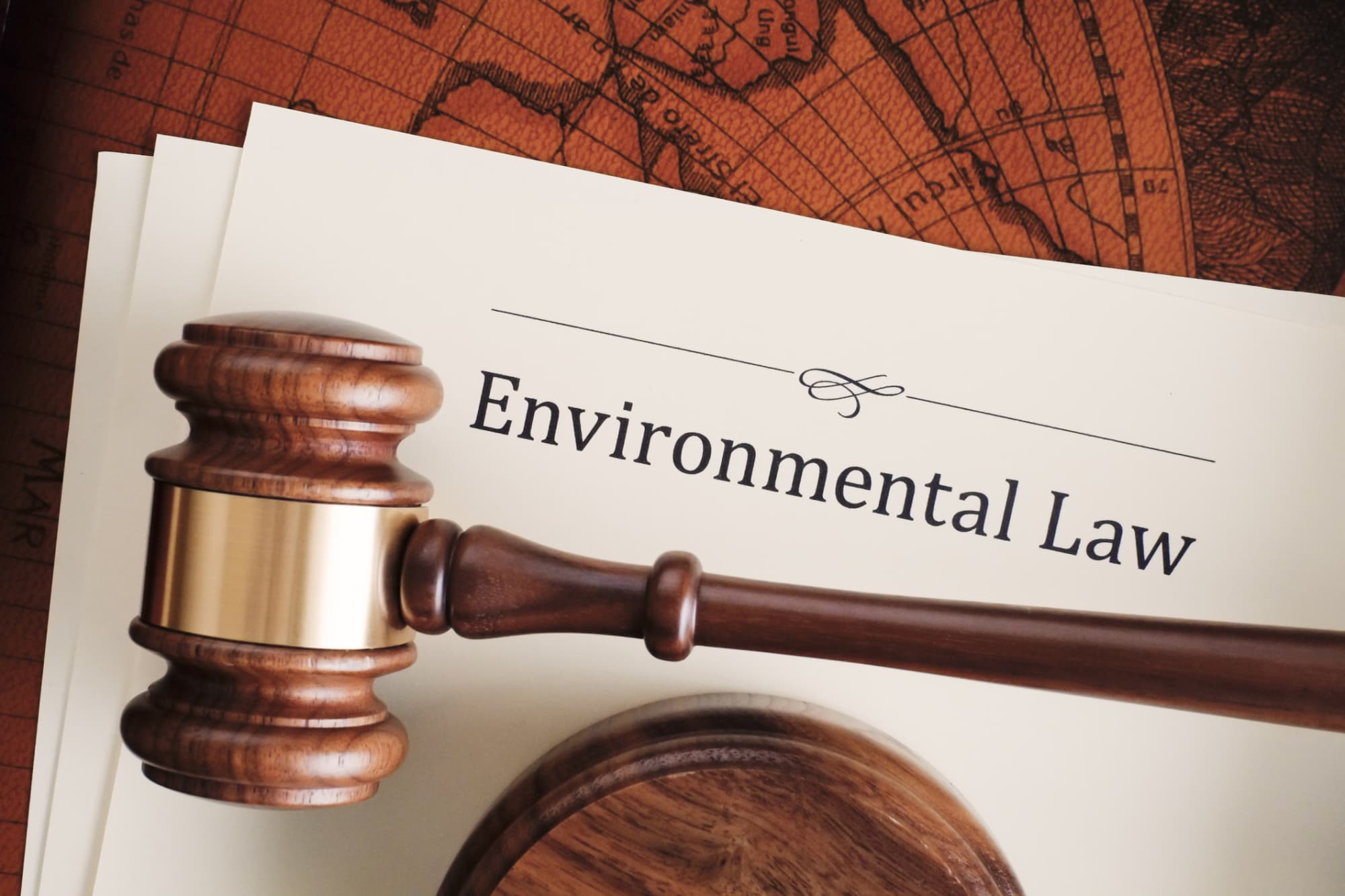
Legal EHS Essentials is a training program focused on the basic legal and regulatory requirements related to environment, health, and workplace safety.
It helps participants understand how legal requirements connect with daily workplace activities. Depending on the organization and industry, these requirements may cover occupational safety, employee welfare, emergency preparedness, hazardous materials, environmental protection, waste management, documentation, reporting, and inspections.
India has a range of occupational safety and environmental laws and rules. The Ministry of Labour and Employment maintains resources covering industrial safety and health legislation, while the Ministry of Environment, Forest and Climate Change provides information on environmental protection laws and rules.
Why Legal EHS Knowledge Matters
A good EHS program should not only identify hazards but also understand the legal duties connected with those hazards.
Legal EHS knowledge can help organizations:
- Identify applicable EHS requirements
- Understand workplace safety responsibilities
- Maintain required documents and records
- Prepare for regulatory inspections
- Identify compliance gaps
- Improve emergency preparedness
- Strengthen safety procedures
- Support internal EHS audits
- Improve employee awareness
- Reduce the possibility of avoidable compliance failures
Key Areas Covered in Legal EHS Essentials
Occupational Health and Safety Requirements
Participants learn the basic principles of occupational health and safety and how legal requirements can influence workplace controls.
Important areas may include:
- Workplace health and safety
- Hazard identification
- Risk assessment
- Personal protective equipment
- Safe operating procedures
- Emergency preparedness
- Workplace welfare
- Safety training
- Incident reporting
- Safety inspections
The Occupational Safety, Health and Working Conditions Code, 2020 includes provisions relating to health, safety and working conditions, including matters such as cleanliness, ventilation, drinking water, lighting and waste treatment.
Environmental Compliance
Environmental compliance is another important part of EHS management.
Training can introduce participants to areas such as:
- Air pollution control
- Water pollution control
- Waste management
- Hazardous waste management
- Chemical handling
- Environmental permits
- Environmental records
- Pollution prevention
- Emergency environmental response
The Ministry of Environment, Forest and Climate Change identifies environmental protection, pollution prevention, environmental standards, hazardous substances management, and waste-related regulations among its regulatory areas.
Documentation and Record Management
Legal compliance requires more than having procedures. Organizations also need appropriate records and evidence showing that requirements are being implemented.
Common EHS records may include:
- Safety inspection reports
- Training records
- Incident reports
- Risk assessments
- Emergency drill records
- Equipment inspection records
- Permit records
- Environmental monitoring records
- Waste disposal records
- Corrective action reports
Proper documentation can help an organization demonstrate its EHS activities during internal reviews, customer audits, or regulatory inspections.
EHS Legal Compliance Process
Step 1: Identify Applicable Requirements
Start by identifying the laws, rules, permits, standards, notifications, and other requirements that apply to the organization.
Requirements can vary according to:
- Industry
- Location
- Number of employees
- Manufacturing processes
- Hazardous materials
- Environmental impact
- Type of workplace
- Construction or operational activities
Step 2: Prepare a Legal Register
A legal register can be used to maintain a structured list of applicable EHS requirements.
A useful legal register may contain:
- Applicable law or regulation
- Requirement
- Responsible department
- Compliance activity
- Frequency
- Required document
- Compliance status
- Due date
- Corrective action
Step 3: Check Compliance Status
Organizations should periodically check whether applicable requirements are being followed.
A compliance review can identify:
- Compliant areas
- Partially compliant areas
- Non-compliant areas
- Missing records
- Expired permits
- Training gaps
- Inspection gaps
- Corrective actions
Step 4: Take Corrective Action
When a gap is identified, the responsible team should determine the cause and establish corrective action.
Actions should have:
- Clear responsibility
- Target completion date
- Required resources
- Verification method
- Evidence of completion
Step 5: Review and Update
Legal requirements can change. Organizations should therefore periodically review their legal register and compliance process.
The Ministry of Labour and Employment and Ministry of Environment, Forest and Climate Change publish regulatory information and updates through their official resources.
Who Should Attend Legal EHS Essentials Training?
This training can be useful for:
- EHS professionals
- Safety officers
- Environmental professionals
- Plant managers
- Operations managers
- HR professionals
- Supervisors
- Engineers
- Facility managers
- Compliance professionals
- Auditors
- Contractors
- New safety professionals
It can also help employees who have responsibilities related to workplace safety, environmental compliance, inspections, documentation, or regulatory requirements.
Benefits of Legal EHS Essentials Training
Better Understanding of EHS Requirements
Participants can develop a clearer understanding of how legal requirements relate to everyday workplace activities.
Improved Compliance Awareness
Employees and managers can better recognize compliance responsibilities and identify potential gaps.
Better Audit Preparation
Understanding documentation and compliance requirements can help teams prepare for internal and external EHS audits.
Stronger Safety Culture
When employees understand why safety requirements exist, they can participate more effectively in workplace safety programs.
Improved Documentation
The training helps participants understand the importance of maintaining appropriate records and evidence.
Legal EHS Essentials and EHS Audits
EHS audits are used to examine whether workplace activities and management systems meet defined requirements.
A legal compliance audit may examine areas such as:
- Applicable legislation
- Permits and approvals
- Safety procedures
- Employee training
- Emergency preparedness
- Equipment inspections
- Environmental controls
- Waste management
- Incident reporting
- Corrective actions
The results can help organizations prioritize improvements and maintain a more systematic compliance process.
Legal Compliance in Safety
Legal compliance in safety means following the applicable laws, regulations, rules, permits, and mandatory requirements related to workplace health and safety.
However, compliance should not be treated only as a paperwork exercise. Organizations should connect legal requirements with practical controls such as safe work procedures, training, inspections, risk assessment, emergency planning, and supervision.
The exact legal requirements should always be checked against the latest applicable central, state, local, industry-specific, and site-specific requirements.
Why Choose The Safety Master?
The Safety Master focuses on practical safety capability development and professional EHS training. Its safety capability programs have included areas such as safety management systems, people safety, process safety, risk management, emergency planning, incident investigation, and Legal EHS Essentials.
The training approach can help participants connect EHS concepts with workplace activities, compliance responsibilities, risk management, and safety improvement.
If your organization wants to improve awareness of legal EHS requirements and strengthen workplace compliance practices, The Safety Master can support your safety capability development journey.
Conclusion
Understanding legal requirements is an important part of effective EHS management. Legal EHS Essentials training provides participants with a practical foundation for understanding workplace safety, environmental responsibilities, documentation, audits, inspections, and compliance management.
A structured approach can help organizations identify applicable requirements, maintain records, monitor compliance, address gaps, and continuously improve EHS performance.
The Safety Master helps organizations and safety professionals build practical knowledge that supports safer and more compliant workplaces.